What Does the 2027 CMS RTM Proposed Rule Mean for Physical Therapy Practices?
What Does the 2027 CMS RTM Proposed Rule Mean for Physical Therapy Practices?
The CMS CY 2027 Physician Fee Schedule proposed rule keeps remote therapeutic monitoring (RTM) billing in-house with the treating clinician who knows the patient — which is already how practices running RTM on SaRA operate. If this rule is finalized as proposed, nothing changes in how you use SaRA today.
What the proposed rule actually says
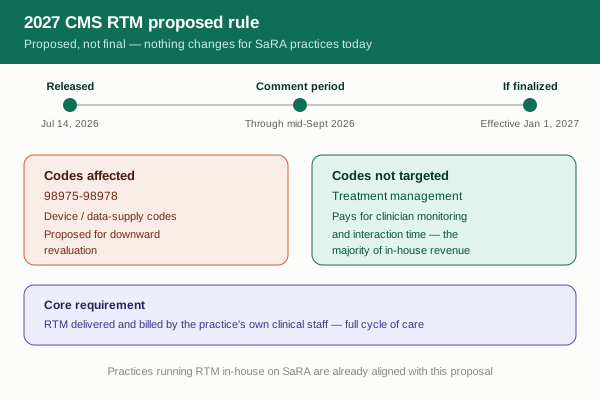
On July 14, CMS released the CY 2027 Medicare Physician Fee Schedule proposed rule. It moves RTM toward a clinician-driven model: monitoring delivered by the billing practitioner's own clinical staff, with the full cycle of care — onboarding, data collection, and treatment management — handled by the practice itself.
CMS was direct about why. In the agency's own words, outsourcing remote monitoring to a third party "can fragment care, lead to insufficient involvement and oversight of the billing practitioner, or result in services that do not actually represent or facilitate all required aspects" of the service.
This is a proposed rule, not a final one. Nothing changes today. The comment period runs through mid-September, and if finalized, changes take effect January 1, 2027.
Why CMS wants RTM to stay in-house
RTM is a clinical service, and CMS's proposal reflects a simple position: monitoring should be done by the clinician who knows the patient, not handed off to a call center or staffing vendor. Practices billing the full cycle of codes — from initial setup through ongoing treatment management — with their own staff are already structured the way CMS is proposing to require.
What's changing on reimbursement
CMS proposed revaluing the device and data-supply codes (98975–98986) downward. It's worth being specific about which part of RTM revenue this touches:
Education and Supply codes (98975–98986): cover the device and data transmission. These are the codes CMS proposed valuing downward. If CMS would like to see more of these codes then valuing them down runs contrary to that goal - especially in rural communities where reimbursement is very low for these codes yet the cost to operate (i.e. software/license costs) is the same whether you're in Manhattan, KS or Manhattan, NY
Treatment management codes: pay for a clinician's monitoring and interaction time. This looks like it will be untouched.
The initiating visit requirement
As proposed, the rule could also affect when patients are able to start RTM following their evaluation. Timely initiation matters clinically, and this is the piece of the proposal most worth weighing in on during the comment period. We believe the Evaluation visit and the RTM initiating visit can be one and the same, and will be asking CMS for clarification in our Comment.
What this means for practices running RTM on SaRA
If you're running RTM inside your practice on SaRA, this proposal validates the model you already use rather than threatening it. The practices facing real disruption from this proposal are the ones built on third-party staffing vendors or outsourced call centers — not practices billing the full cycle of care through their own clinicians.
FAQ
Is the 2027 CMS RTM rule final? No. It's a proposed rule released July 14, 2026. The comment period runs through mid-September, and any changes would take effect January 1, 2027 if finalized.
Does this rule affect how I use SaRA today? No. Nothing changes today, and if the rule is finalized as proposed, nothing changes in how you use SaRA going forward either.
Which RTM codes are affected? The device and data-supply codes (98975–98978) are proposed for a downward revaluation. Treatment management codes, which cover clinician monitoring and interaction time, are not the target of this proposal.
Who is most affected by this proposed rule? Practices that outsource RTM monitoring to third-party staffing vendors or call centers face the most disruption. Practices running RTM in-house with their own clinical staff are already aligned with what CMS is proposing.
Can I submit a comment on the proposed rule? Yes. The comment period is open through mid-September 2026, and practice voices carry significant weight with CMS on proposals like this one.
Want to see exactly how your RTM program lines up with the proposed rule? Schedule a call with our team to walk through your numbers before anything is final.
